
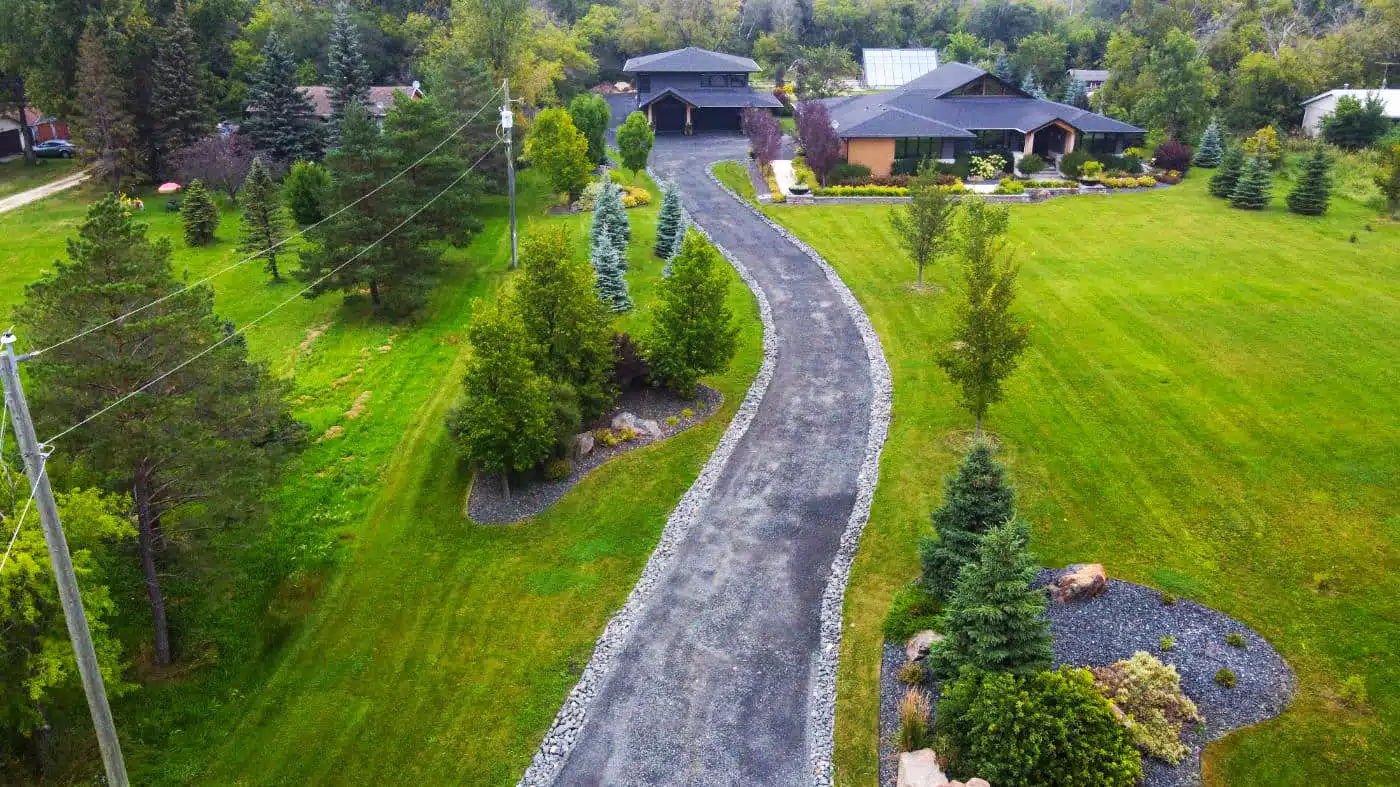
Winnipeg’s climate presents both challenges and opportunities when choosing trees for your backyard. Cold winters, hot summers, and variable soil conditions mean that not every tree is a good long-term investment.
At North Coral Landscaping, we work with native and climate-appropriate trees every season. The right tree can add shade, privacy, seasonal beauty, and long-term value; but only if it’s chosen and placed correctly.
Below are some of our favourite native and well-performing trees for Manitoba landscapes, along with practical insight into how they’re actually used in real backyards.
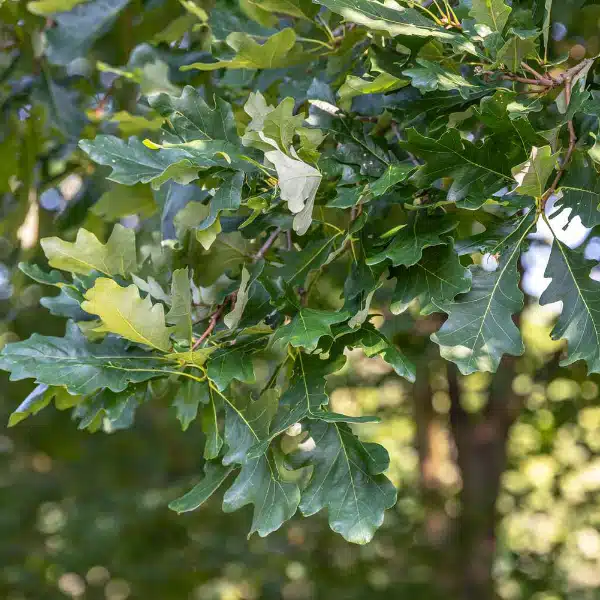
1. Bur Oak (Quercus macrocarpa): A Majestic Monarch
The Bur Oak is an iconic Manitoba native known for its massive size, spreading canopy, and longevity. It provides excellent shade, tolerates a wide range of soil conditions, and delivers a striking golden-yellow display in the fall.
Best for: Large yards where long-term shade, structure, and durability are the priority.
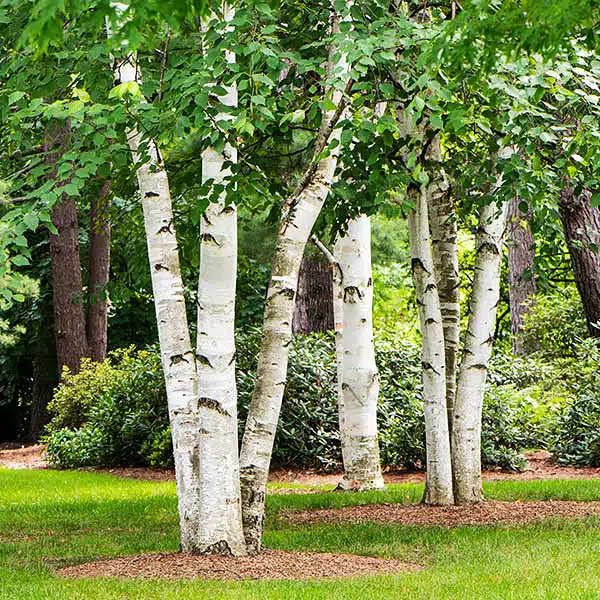
2. Paper Birch (Betula papyrifera): Elegant and Adaptable
Recognizable by its bright white bark, the Paper Birch adds elegance and contrast to a landscape. It prefers well-drained soil and full sun but can tolerate partial shade. Its light canopy allows for shrubs or perennials underneath, creating layered designs.
Best for: Adding visual contrast and lighter structure to mixed plantings.
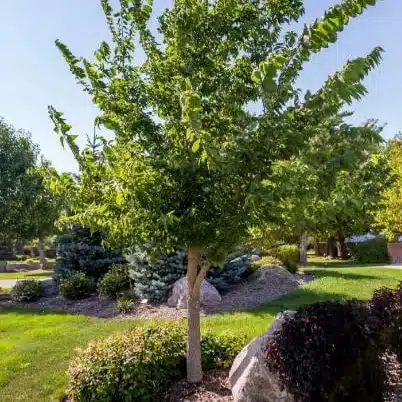
3. Hackberry (Celtis occidentalis): A Tough and Resilient Choice
Hackberry is a hardy native tree that handles wind, drought, and urban conditions well. Its dense canopy provides reliable shade, while its fruit supports birds and wildlife.
Best for: Low-fuss shade trees in exposed or challenging sites.
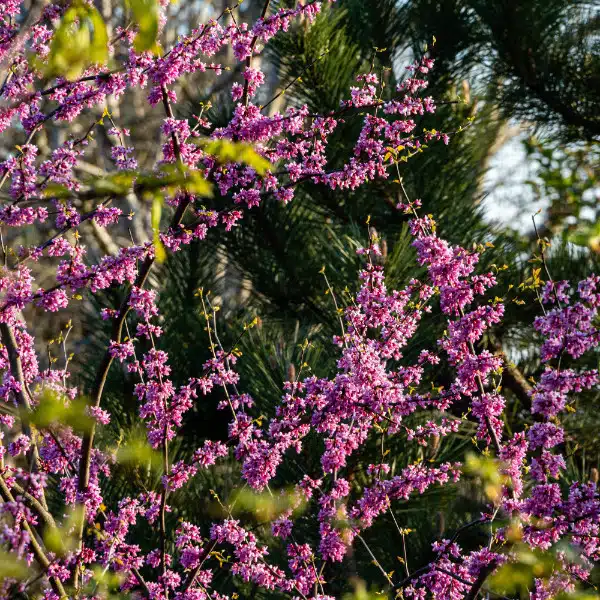
4. Eastern Redbud (Cercis canadensis): A Burst of Spring Color
Known for its vibrant pink spring blossoms and heart-shaped leaves, the Eastern Redbud offers strong seasonal interest without overwhelming a space. Its foliage turns yellow in fall, extending its appeal.
Best for: Smaller yards or feature areas where colour and character are desired.
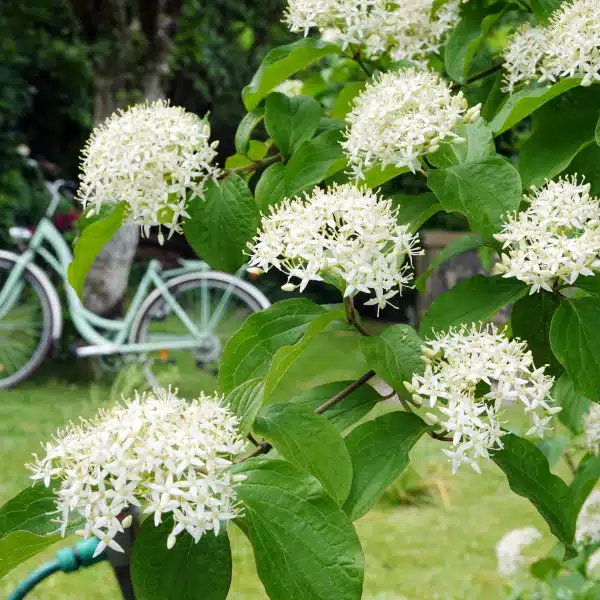
5. Pagoda Dogwood (Cornus alternifolia): Unique and Eye-Catching
With its layered branching structure and spring flowers, the Pagoda Dogwood adds architectural interest to shaded areas. Birds are drawn to its berries later in the season.
Best for: Partial-shade landscapes that need visual structure and softness.
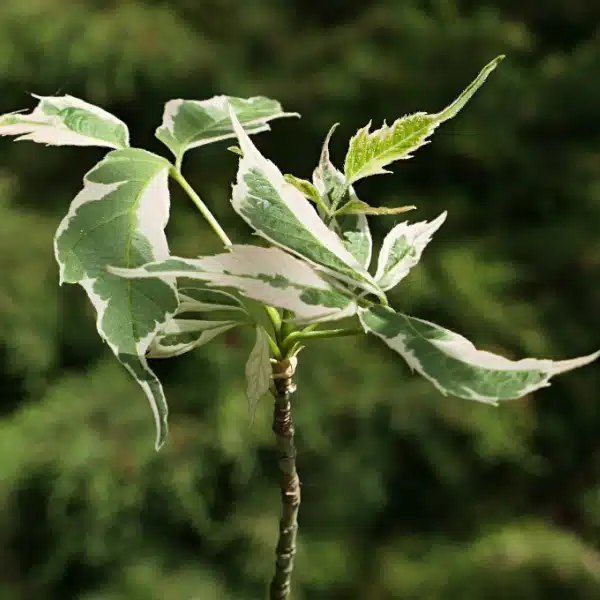
6. Box Elder Maple (Acer negundo): A Versatile and Adaptable Choice
Often called Manitoba Maple, this tree grows quickly and adapts to a wide range of conditions. Its yellow fall colour adds warmth late in the season.
Best for: Clients seeking quick growth, understanding that faster-growing trees often require more long-term management.
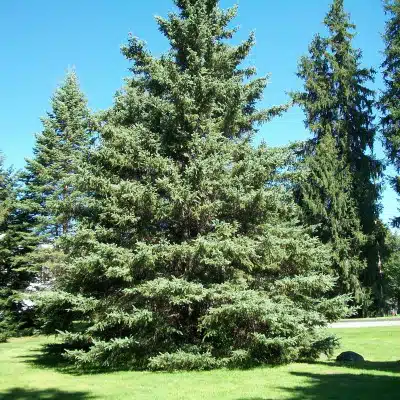
7. White Spruce (Picea glauca): Evergreen Beauty
White Spruce provides year-round structure with blue-green needles and a classic evergreen form. It performs well as a privacy screen, windbreak, or focal point.
Best for: Year-round privacy, winter interest, and structured landscape designs.
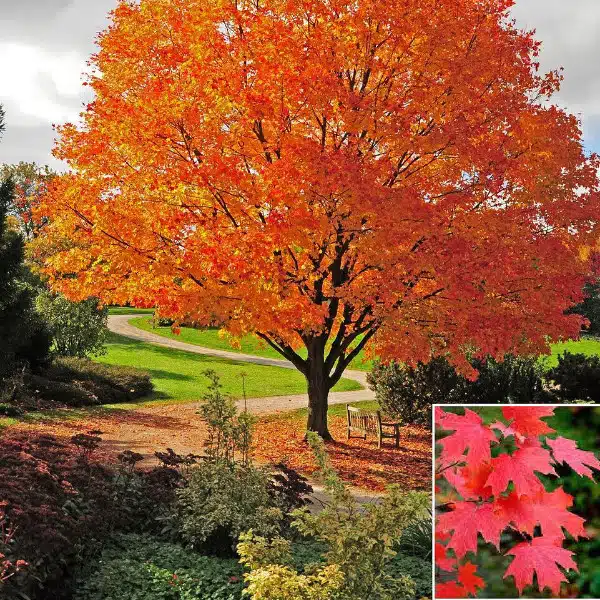
8. Sugar Maple (Acer saccharum): A Sweet Treat
Famous for its brilliant fall colours, the Sugar Maple turns shades of red, orange, and yellow. It prefers moist, well-drained soil and full sun.
Best for: Homeowners looking to add strong fall colour and long-term value.
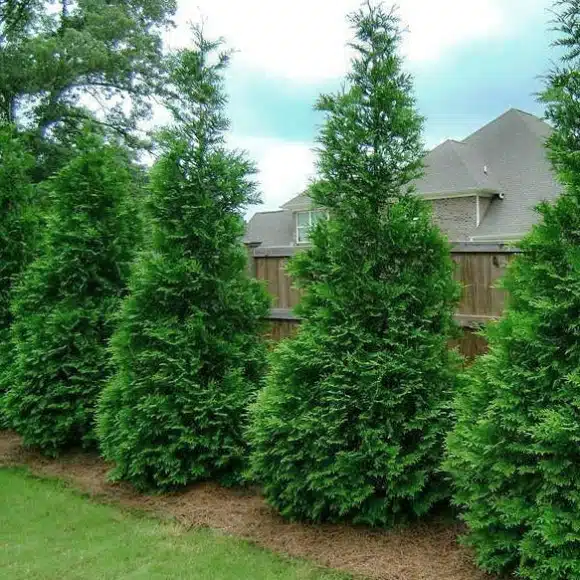
9. Green Giant Arborvitae (Thuja ‘Green Giant’): A Privacy Powerhouse
This fast-growing evergreen is ideal for hedging and screening. Its dense foliage remains vibrant throughout the year and requires relatively low maintenance once established.
Best for: Privacy screens and boundary planting with consistent year-round coverage.
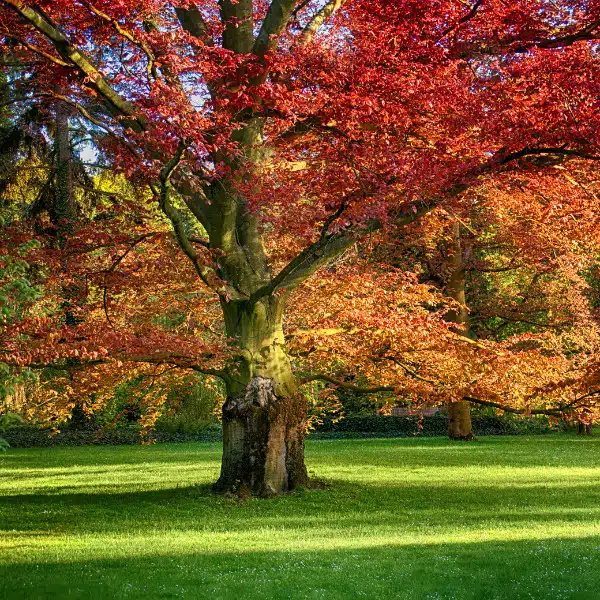
10. Red Oak (Quercus rubra): A Fiery Fall Display
Red Oak features a broad canopy and bold red fall foliage. It thrives in well-drained soil and offers strong shade once mature.
Best for: Larger landscapes where dramatic fall colour and shade are key goals.
Best Trees by Landscape Goal
Fast Shade (Quick Results)
Trees like aspen and willow grow quickly and can deliver shade within a few seasons. The tradeoff is increased leaf drop and maintenance over time.
Year-Round Privacy & Structure
Evergreens are a common choice for consistent privacy, wind protection, and winter interest. They’re also popular for seasonal lighting and high-end designs.
High-End Landscape Design
Premium landscapes often combine evergreens with feature and flowering trees to balance structure, aesthetics, and long-term maintenance.
Common Tree Planting Mistakes We See in Winnipeg
Even the right tree can struggle if it’s planted incorrectly. Some of the most common issues we encounter include:
- Planting trees too close together, without accounting for mature size
- Planting too close to foundations, which can lead to drainage or structural concerns
- Underestimating watering needs during establishment, especially in the first few seasons
While automated irrigation involves upfront cost, it greatly improves long-term success and reduces ongoing maintenance.
Choosing the Right Tree for Your Backyard
When selecting a tree, consider:
- Mature size and available space
- Sun and shade conditions
- Soil type and moisture levels
- Long-term maintenance requirements
In many cases, the biggest factor isn’t the tree itself; it’s where and how it’s planted.
Expert Landscaping Guidance
Choosing the right tree is about more than hardiness, it’s about long-term success, maintenance, and how the tree fits into your overall landscape.
At North Coral Landscaping, we help homeowners make informed decisions that look good now and continue to perform for years to come. From selection to placement and installation, our focus is on outcomes, not shortcuts.
Contact North Coral Landscaping today to discuss your backyard plans or book a consultation.
FAQs:
Q: How often should I water my newly planted tree?
Answer: The frequency of watering will vary depending on the tree species, soil type, and weather conditions. In general, newly planted trees should be watered deeply and regularly, especially during hot and dry weather. Aim to keep the soil moist but not soggy.
Q: What is the best time to plant trees in Winnipeg?
Answer: The best time to plant trees in Winnipeg is in the spring or fall, when the soil is cool and moist. Avoid planting trees during the hot and dry summer months.
Q: How do I choose the right fertilizer for my tree?
Answer: The best fertilizer for your tree will depend on the tree species and soil type. Consult with a professional at North Coral Landscaping to determine the best fertilizer for your specific needs.