
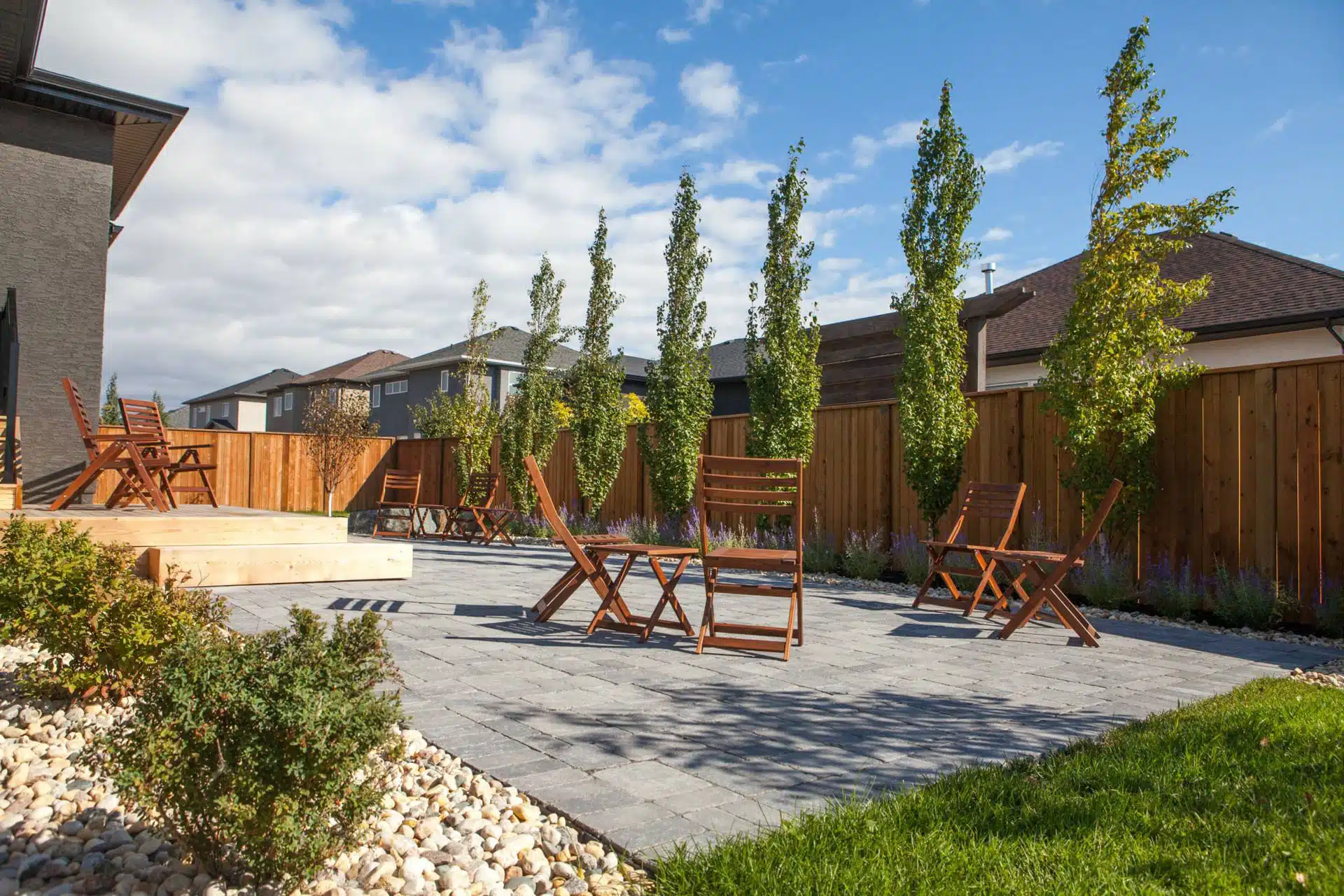
Landscaping property lines is one of the best ways to improve privacy, add structure to your yard, and give your outdoor space a more finished look. A thoughtfully designed property edge can do more than simply mark a boundary. It can soften harsh lines, create a stronger sense of enclosure, improve curb appeal, and even help with wind exposure, drainage, and noise.
Whether you want a natural divider, a more polished architectural look, or a feature that adds both beauty and function, there are plenty of ways to transform the edges of your property. With the right combination of softscaping and hardscaping, a property line can become a seamless part of your overall landscape design rather than an afterthought.
Before getting started, it is always wise to confirm your actual property line, consider underground utilities, and think through drainage and long-term maintenance. Once those basics are covered, you can begin planning a border that suits both your yard and the way you want to use it.
Here are some creative ideas for landscaping property lines.
Table of Contents
- 1. Evergreen Shrubs for Year-Round Privacy
- 2. Tall Ornamental Grasses for a Softer Border
- 3. Layered Planting for a More Natural Look
- 4. Hedges for a Clean and Formal Boundary
- 5. Trees and Shrubs That Add Privacy and Security
- 6. Evergreen Tree Lines for Windbreaks
- 7. Flower Beds Along the Property Edge
- 8. Raised Beds or Edible Borders
- 9. Rock Features for Low-Maintenance Definition
- 10. Pathways Along the Property Line
- 11. Stone Walls and Retaining Features
- 12. Custom Wood Fences for Warmth and Privacy
- How to Choose the Right Property Line Landscaping Idea
- Final Thoughts
1. Evergreen Shrubs for Year-Round Privacy
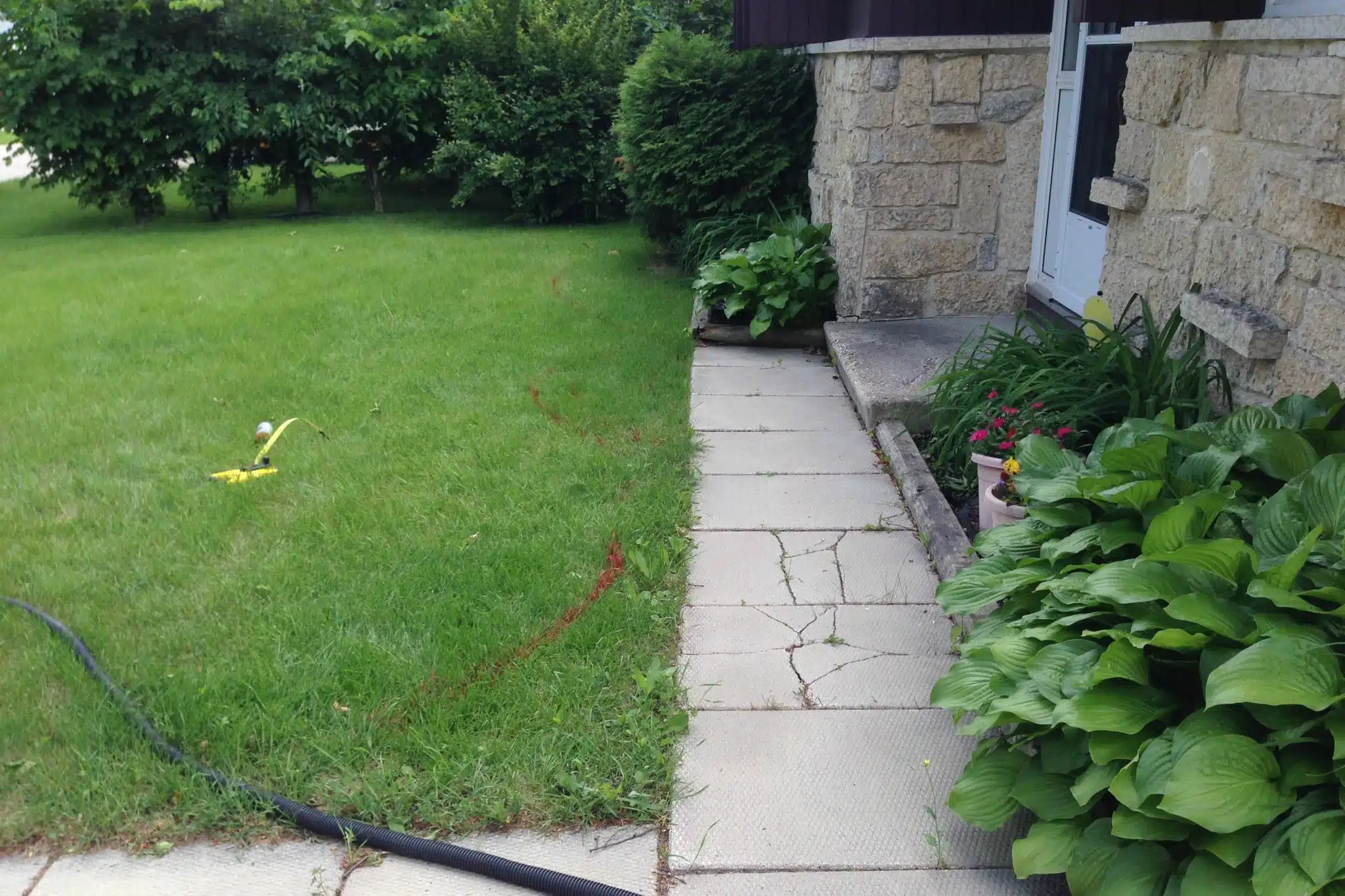
Evergreen shrubs are one of the most versatile choices for landscaping property lines. Because they hold their foliage through the seasons, they provide structure, privacy, and visual consistency all year long. This makes them especially useful in Manitoba, where many landscapes can feel bare during the colder months.
A row of evergreens can create a natural screen without making the yard feel too closed in. Green varieties offer a timeless and elegant look, while certain cultivars bring in softer colour variation and texture. Evergreen shrubs can also reduce sightlines between neighbouring properties and help create a stronger sense of privacy around patios, decks, and backyards.
They are especially effective for homeowners who want a softer alternative to a fence. While they do require thoughtful spacing and occasional pruning, they tend to be lower maintenance than many people expect when the right native plants are chosen for the site.
2. Tall Ornamental Grasses for a Softer Border
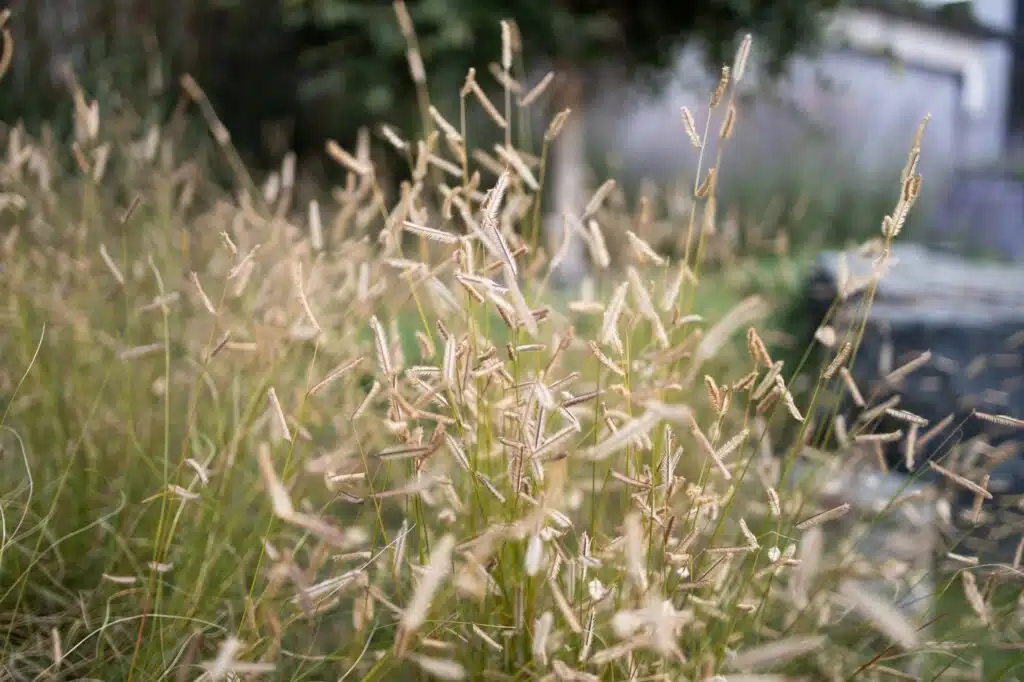
If you want to define a property line without creating a heavy visual barrier, tall ornamental grasses are an excellent option. They add height, texture, and movement to the landscape, which can make a yard feel more refined and dynamic.
Unlike rigid dividers, ornamental grasses have a softer presence. Their upright growth can still create screening and separation, but in a way that feels more relaxed and natural. They work particularly well in modern landscapes, prairie-inspired gardens, and transitional designs that blend structured hardscape with more natural planting.
Another benefit is that many ornamental grasses are relatively low maintenance once established. They can also help break up noise, soften fence lines, and add interest during multiple seasons. For a more durable and climate-conscious approach, native or regionally suitable grasses are often worth considering.
3. Layered Planting for a More Natural Look
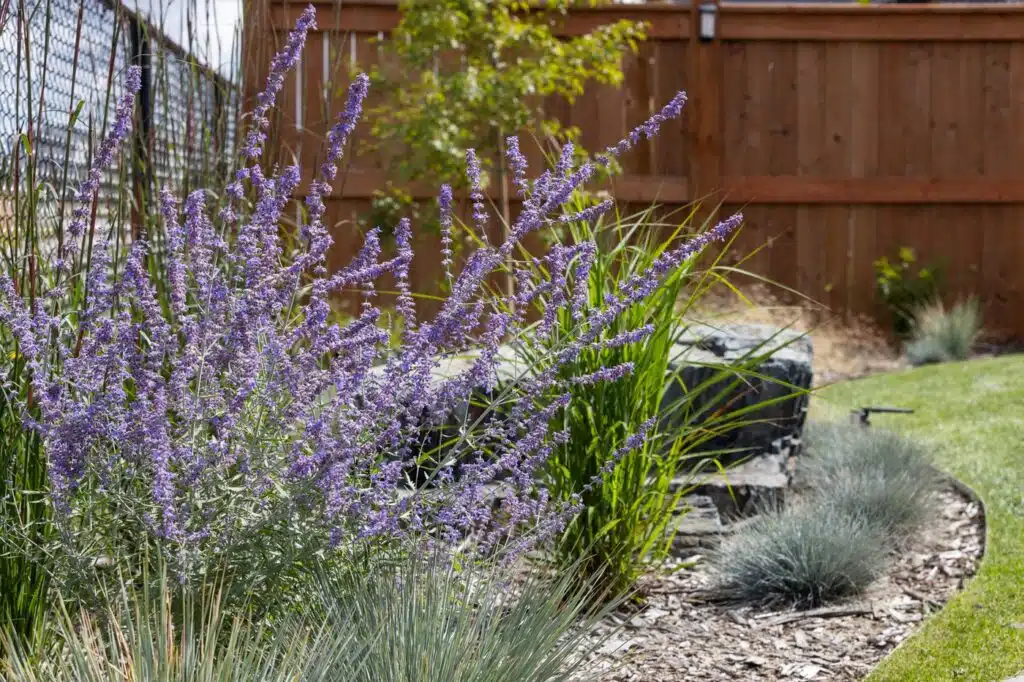
One of the most effective ways to landscape a property line is by using a layered planting design. Instead of relying on a single row of one plant type, layering combines trees, shrubs, grasses, and perennials to create depth and visual richness.
This approach can make a property edge feel more intentional and more high-end. A layered border also allows you to balance privacy with beauty. Taller plant material can provide screening, while mid-height and lower plantings help soften the transition into the rest of the yard.
Layered planting works especially well when you want the boundary to feel like part of the overall landscape rather than a hard divide. It can also help avoid the flat or repetitive look that sometimes comes from planting everything in a straight line.
4. Hedges for a Clean and Formal Boundary
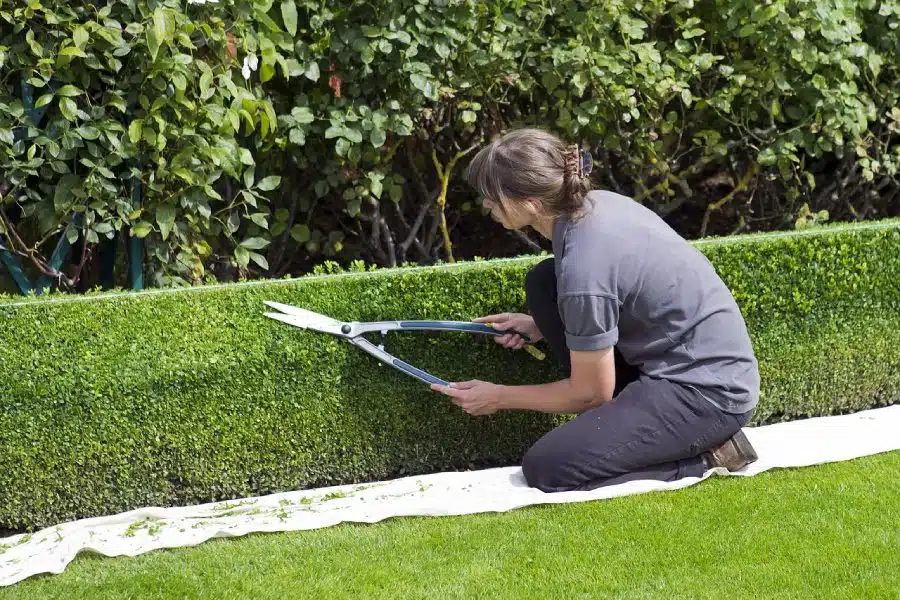
Hedges are a classic way to create a clean, well-defined property line. If you want privacy but prefer something more natural than a fence, a hedge offers a strong middle ground. It gives the property a crisp, tailored look while still feeling alive and welcoming.
A properly maintained hedge can suit a wide range of styles, from traditional landscapes to more formal modern designs. It can create a sense of order, frame outdoor spaces, and act as a backdrop for other planting features.
That said, hedges do require commitment. They need trimming, shaping, and long-term care to keep their intended form. For homeowners who appreciate a polished appearance, though, the result is often well worth the effort.
5. Trees and Shrubs That Add Privacy and Security
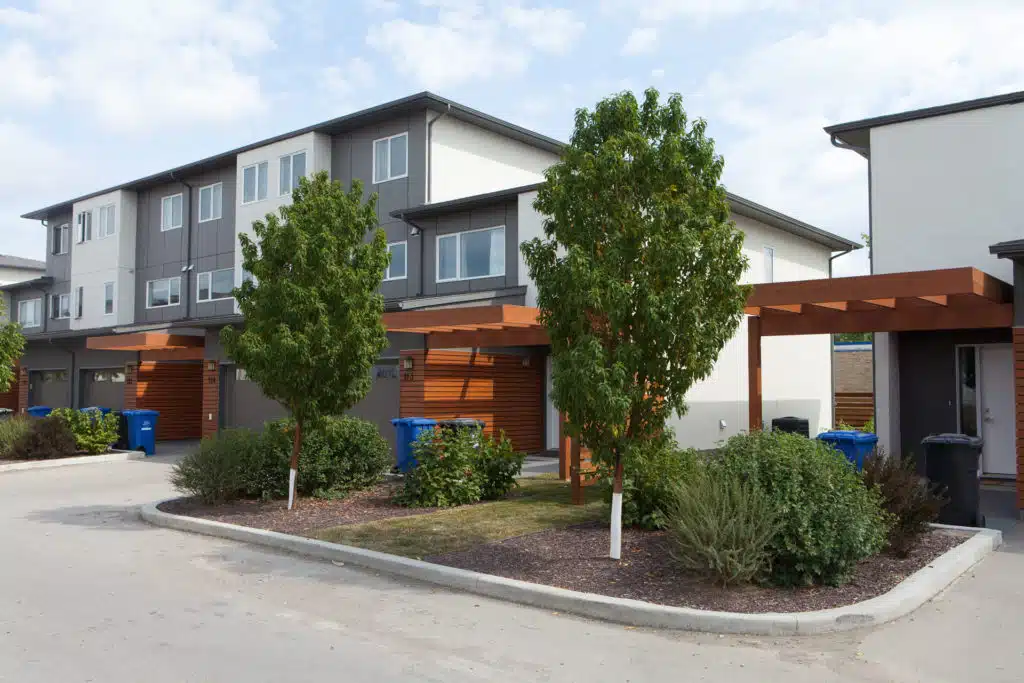
Strategically placed trees and shrubs can make a property feel more private and protected. Dense plantings can help discourage unwanted foot traffic while making the yard feel more enclosed and comfortable.
The key is thoughtful selection and placement. Dense shrubs, layered plantings, and well-positioned trees can block awkward sightlines and create natural barriers without making the landscape feel harsh. Some homeowners may prefer a more formal privacy screen, while others want a looser and more organic arrangement.
Beyond function, trees and shrubs also bring texture, colour, and seasonal character to the property line. When designed properly, they improve security and aesthetics at the same time.
6. Evergreen Tree Lines for Windbreaks
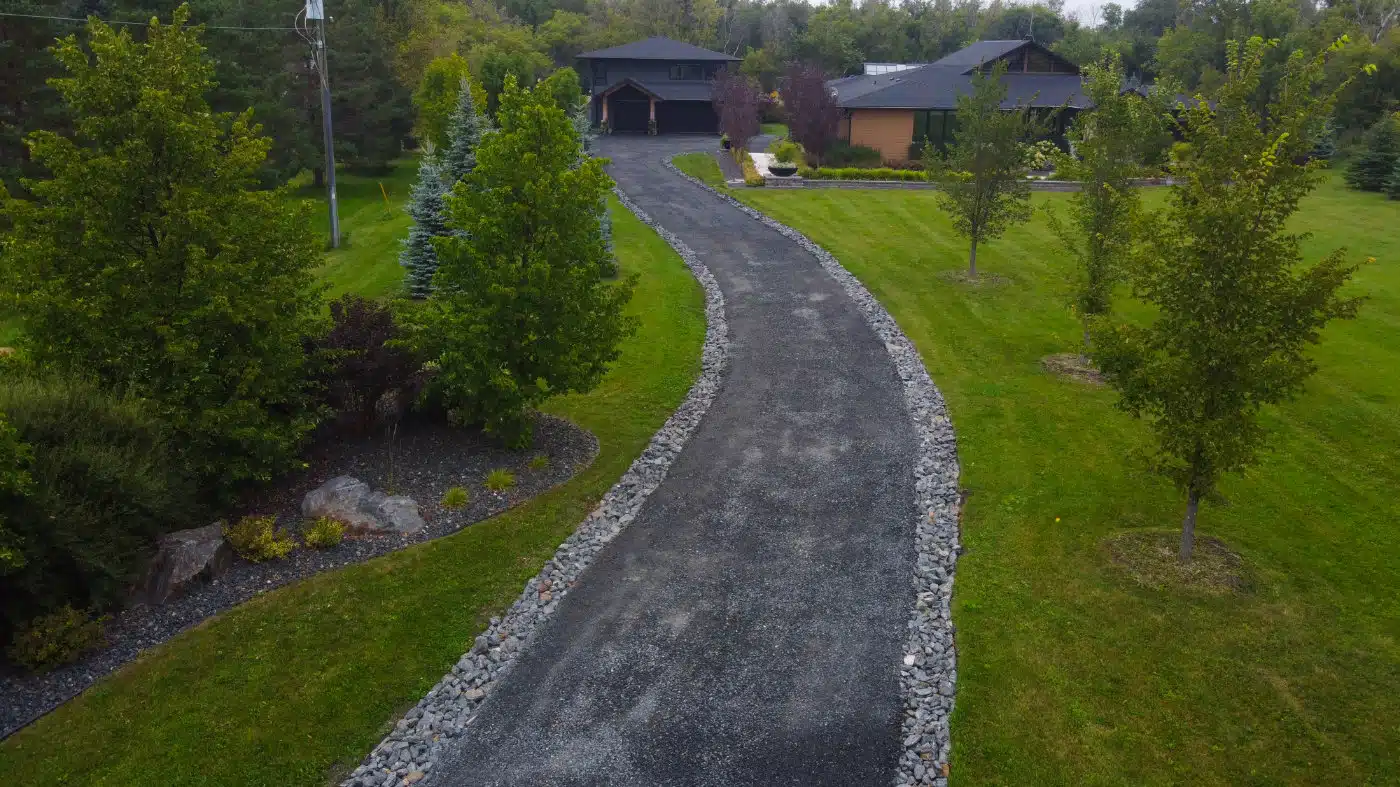
Evergreen tree lines are one of the most practical and visually effective ways to define a larger property edge. In addition to privacy, they can serve as windbreaks, helping create a more sheltered microclimate in your yard.
This can make a big difference in exposed spaces where wind affects comfort, planting performance, or snow movement. A well-planned row of evergreens can also protect outdoor living areas, reduce the impact of harsh gusts, and give the property a more established feel.
Evergreen tree lines work especially well on side and rear boundaries where homeowners want both screening and year-round greenery. They can be used on their own or combined with lower shrubs and grasses for a more layered and natural look.
7. Flower Beds Along the Property Edge
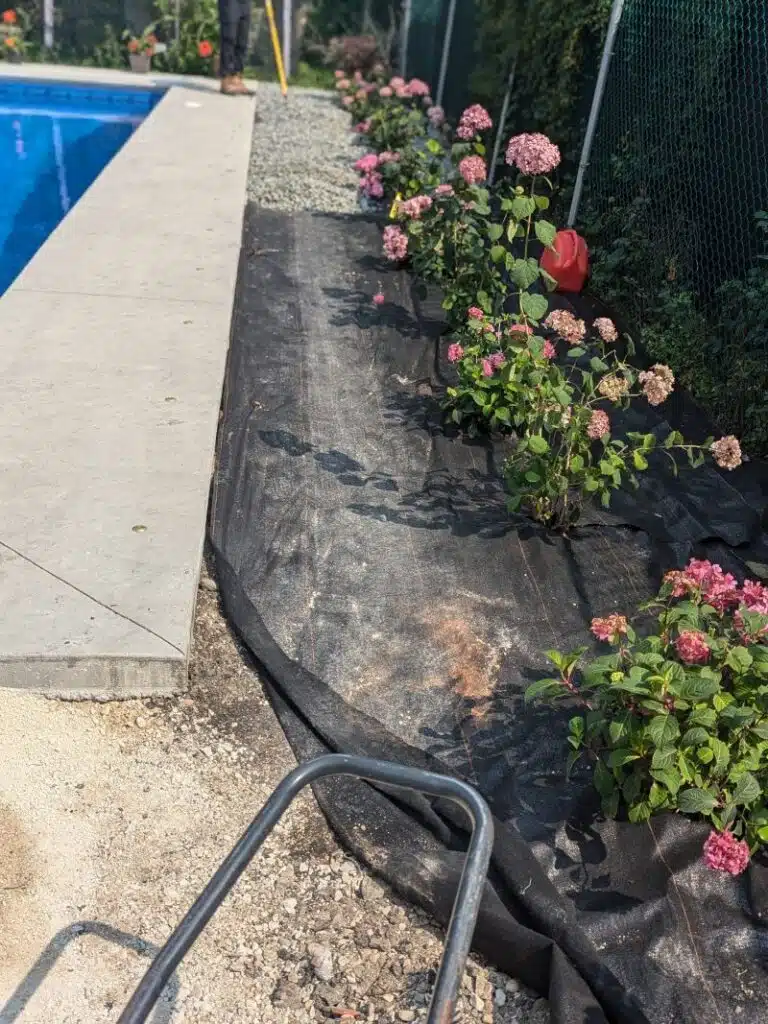
Flower beds are a great way to turn a simple boundary into a feature. They add colour, texture, and seasonal interest while helping the property line feel more curated and inviting.
This approach works especially well when privacy is not the main goal, but appearance is. A planted border can soften a fence, frame a lawn, or create a visual transition between neighbouring spaces. Flower beds also offer flexibility, allowing you to tailor the style to match the rest of the landscape, whether that means a more natural cottage look or something cleaner and more architectural.
For a longer-lasting design, it helps to balance blooming plants with shrubs, ornamental grasses, or structural perennials so the border still looks attractive outside peak flowering season.
8. Raised Beds or Edible Borders
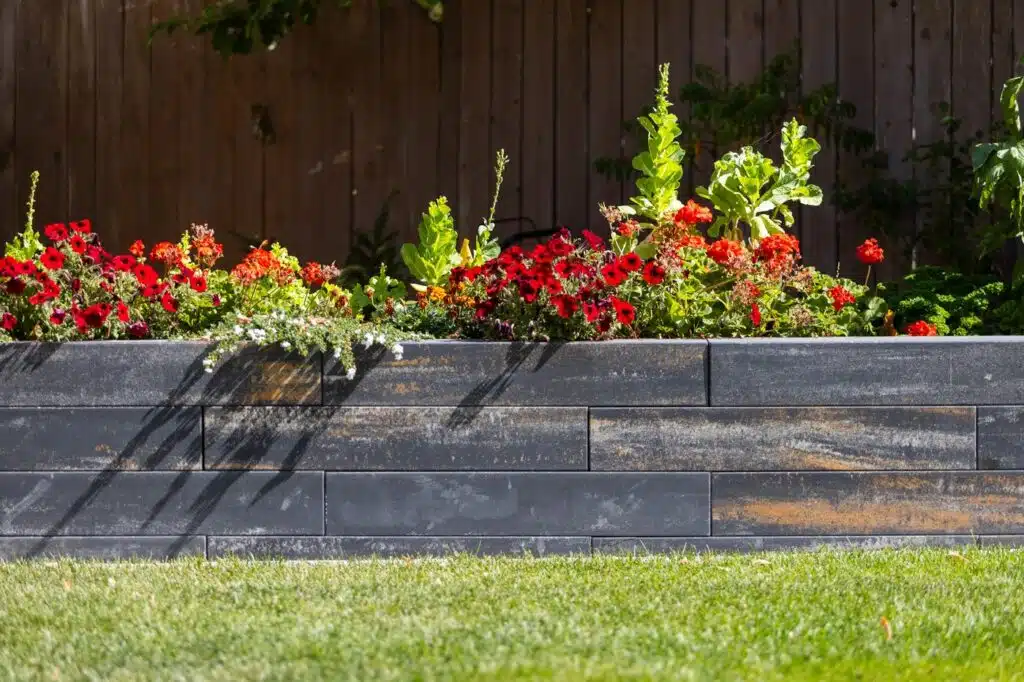
For homeowners who want their landscape to be both attractive and functional, raised beds or edible borders can be a smart property line solution. These features can help define space while also creating room for herbs, vegetables, or decorative edible plants.
Raised beds bring a sense of order to the landscape and can be especially useful where drainage, soil quality, or maintenance access are concerns. Along a property edge, they can make the boundary feel purposeful rather than empty.
This option works best when there is enough sunlight and space to support healthy growth. It is also a good fit for homeowners who enjoy tending their gardens and want the boundary of the yard to contribute something practical as well as visual.
9. Rock Features for Low-Maintenance Definition
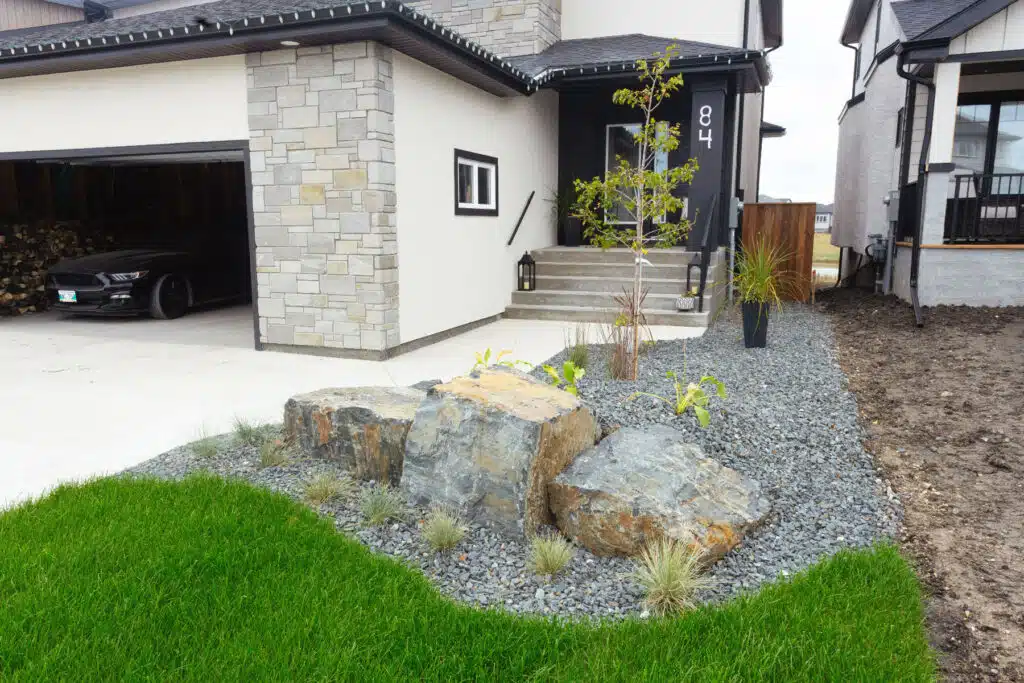
Rock features bring durability, texture, and a strong visual presence to property line landscaping. They can be used to edge planting beds, build dry creek-style transitions, create accents, or support grade changes along the edge of a yard.
One of the biggest advantages of rock is that it offers long-lasting definition with very little maintenance. It can also pair beautifully with ornamental grasses, shrubs, and naturalistic planting styles. In more modern designs, rock can help create clean contrast and reinforce a high-end look.
Rock features are especially useful where homeowners want a border that feels natural but still intentional. They can help reduce erosion in some situations and give the edge of the property more permanence and character.
10. Pathways Along the Property Line
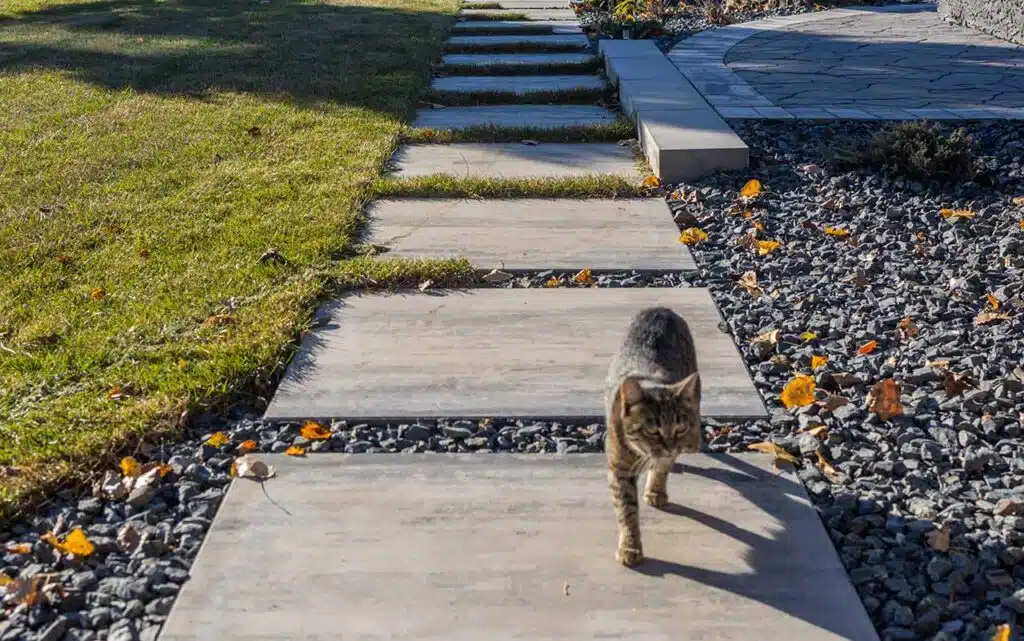
A pathway can do more than guide foot traffic. When placed thoughtfully, it can also help define a property line and connect different areas of the yard in a practical and visually appealing way.
This is particularly useful in larger landscapes or side yards where access matters. A well-designed path can lead from the front yard to the backyard, connect patios and garden areas, or make narrow side spaces feel more finished and usable.
Pathways also create structure. They introduce clear lines into the design and can make the property feel more organized. Materials such as pavers, natural stone, or decorative gravel can all create different effects depending on the overall style of the landscape.
11. Stone Walls and Retaining Features
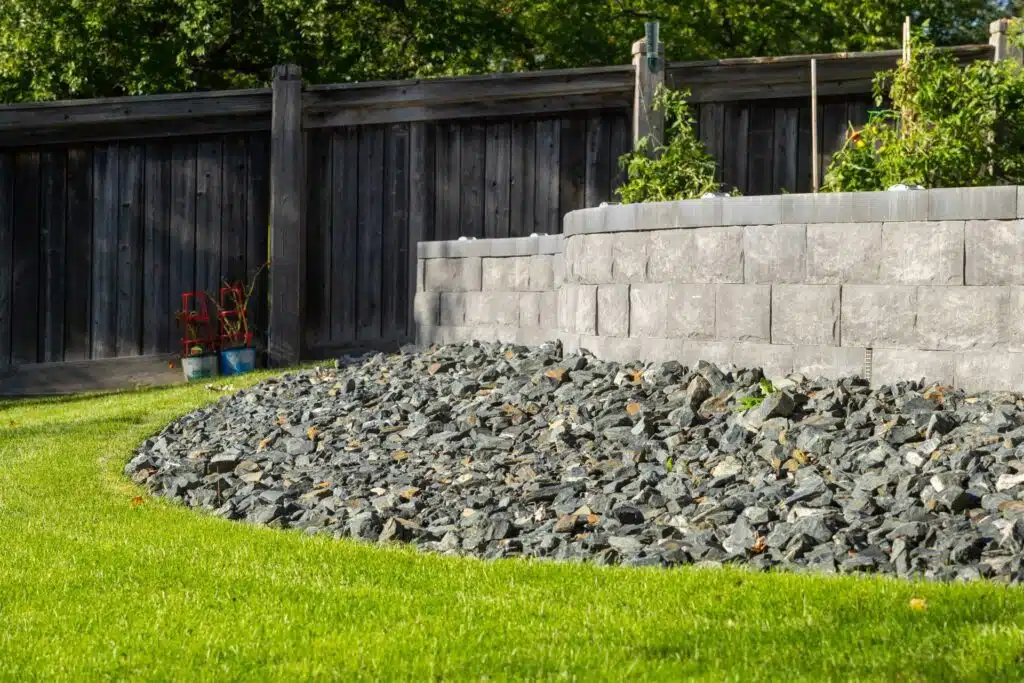
Stone walls add both beauty and function to a property line. They can define space, create elevation changes, support sloped terrain, and bring a strong architectural quality to the landscape.
For homes with uneven grades, retaining features can be especially valuable. They help stabilize soil, improve usability, and create opportunities for terraced planting or raised garden spaces. Even on flatter sites, a low stone wall can make a property boundary feel more deliberate and elegant.
Stone features tend to suit homeowners who want a more permanent and upscale finish. They also pair well with soft planting, allowing the border to feel balanced rather than overly hard or severe.
12. Custom Wood Fences for Warmth and Privacy
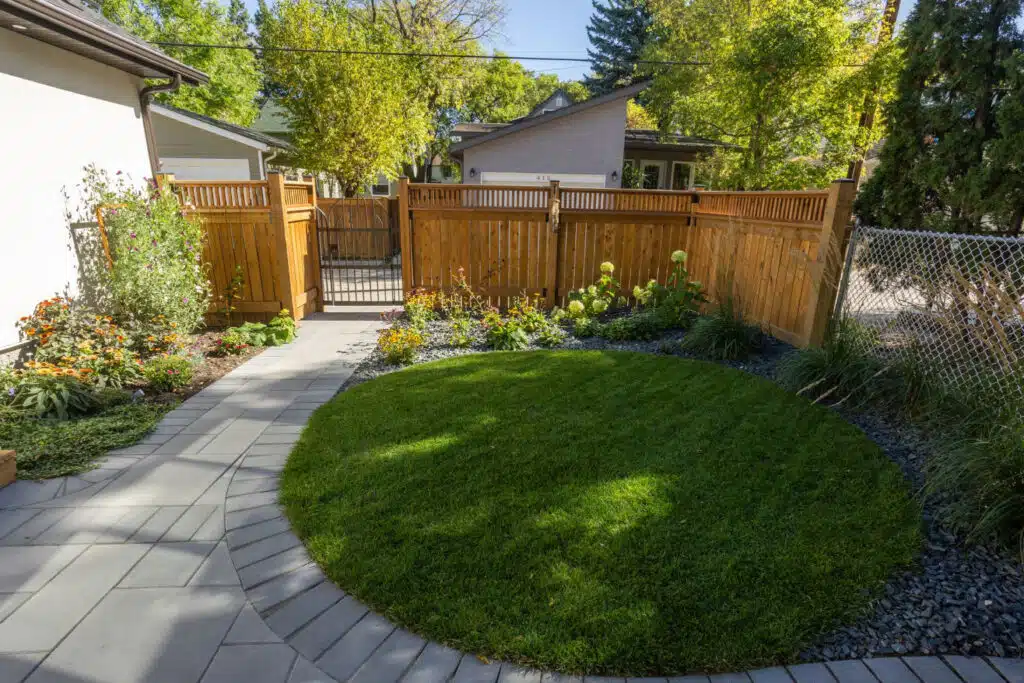
A custom wood fence remains one of the most effective ways to create privacy along a property line. It clearly defines the yard, blocks unwanted views, and helps create a more intimate outdoor environment.
What makes a custom fence especially valuable is that it can be designed to complement the home and surrounding landscape. It can feel warm, natural, and tailored instead of purely utilitarian. Wood fencing also works well alongside shrubs, grasses, climbing plants, and garden beds, making it easy to blend into a more complete design.
For homeowners who want a private backyard without sacrificing character, a thoughtfully designed wood fence is often one of the strongest solutions.
How to Choose the Right Property Line Landscaping Idea
The best approach depends on what you want the boundary to do.
If privacy is the main goal, hedges, evergreen shrubs, tree lines, and custom fencing are often the strongest options. If you want visual interest without closing the space in, layered planting, flower beds, ornamental grasses, and rock features may be a better fit. If the property line also needs to help with grade changes, access, or site function, stone walls, raised beds, and pathways can offer both practical and aesthetic value.
It is also important to think long term. A border that looks great in the first season still needs to work once plants mature, maintenance routines settle in, and the rest of the landscape evolves. Choosing the right materials and plantings from the start can make a major difference in how successful the design feels over time.
Final Thoughts
Landscaping a property line is an opportunity to do more than mark where your yard ends. It can improve privacy, strengthen the design of your outdoor space, and add lasting value to your home.
From evergreen screens and ornamental grasses to stone walls, pathways, and custom fences, there are many ways to create a boundary that feels both beautiful and functional. The right solution depends on your goals, your property, and the style you want your landscape to reflect.
At North Coral Landscaping, we design and build landscapes that balance natural beauty with real functionality. If you are ready to transform your property line into a standout feature, contact us today for a free landscaping quote.